Understanding yourself
is not the same as changing.
Essays on virtues, behavior and the inner processes of change: what lies beneath what we feel, and how we might respond.


SNO and SNE: two systems at the root of neurosis
One calculates your position. The other calculates your advantage. Eduardo Casarotto’s distinction between pride and selfishness changes the question we ask about familiar reactions — and the capacity we try to develop next.

Virtology and 18 major theories of personality
Freud, Jung, Rogers, Skinner, Bandura and the Big Five: where Casarotto finds common ground, where he takes a different direction, and what his approach proposes to build. A guide to the comparison in Foundations of Virtology.

Where are you in your own evolution?
We compare our lives as though everyone were at the same point on the same road. Virtology's seven Evolution Bands offer a different question: what is the next capacity you can develop from where you are?

The area of your life that goes dark first
When pressure rises, we rarely give up everything at once. One part of life is set aside before the others. Noticing which part can tell you where care has been missing.

Your personality is not a box
A label can make a pattern sound like a permanent identity. A dimensional view asks more useful questions: how much, in which situations, with what effect — and what might change?

The virtue you may need to develop next
A recurring reaction can reveal a capacity you have not yet learned to use. Virtology turns that observation into a practical question: where should your work begin?

The comparison that steals your peace
You were content until you opened your feed. A useful reference can become a verdict on your worth before you notice that the question has changed.

The mask you forgot you were wearing
A version of you learned how to be welcomed. Over time, that useful adaptation may have become the only version you know how to show. Virtology asks how to recover a choice.
The permission no one gave you
Knowing that you have a right to rest, ask or refuse does not always make the action feel possible. Virtology calls the work of reopening that choice Permission.

Perfectionism is fear dressed as excellence
The third draft is already good. You know it, yet you cannot send it. Another revision may be buying relief from judgment rather than improving the work.

Do you work to survive, to prove or to be?
Income, recognition and purpose can pull the same working day in different directions. Virtology's three waves of work ask which motive is organizing your life — and what your workplace makes possible.

Saying no without losing yourself to guilt
You hear yourself agreeing before you have considered the cost. Virtology's distinction between Selflessness and self-erasure helps explain why a freely chosen yes needs room for a no.

Feeling guilty for doing the right thing
You followed a fair procedure and still left feeling as though you had betrayed someone. Virtology asks whether the discomfort concerns the decision itself or the approval you hoped would accompany it.

The person you find hardest to forgive
You have acknowledged what happened, repaired what you could and changed your behavior. Why does the sentence against yourself keep renewing? Virtology explores the difference between responsibility and endless punishment.

What keeps returning in the same argument?
Last time it was money. Today it is the dishes. A repeated feeling may connect the arguments — but understanding that feeling must not erase the practical problem in front of you.

Feeling lonely when you are not alone
A shared table, a full calendar and a familiar voice can coexist with a painful absence of connection. Virtology asks what makes a bond feel deep enough for the person who is actually there.

Procrastination is more than laziness
The task waits. You reorganize the kitchen, research another method and promise to begin tomorrow. Virtology asks what the delay protects you from feeling today.

Why the same pattern keeps returning
Different people, different places, a strangely familiar ending. Virtology examines the moment when an old way of protecting yourself begins to organize a new situation.

The decisions you make on your best and worst days
At one extreme, everything seems possible. At the other, nothing seems worth continuing. Virtology asks how to make choices that can survive a change in the weather inside you.
Are you seeking purpose or escaping yourself?
A new course, a new city, another cause that finally feels like the answer. Virtology asks whether the search is bringing you closer to a meaningful commitment or keeping an uncomfortable encounter at a distance.

Who you are when no one is watching
You are patient in the meeting and furious in the car fifteen minutes earlier. Virtology explores the distance between the person you present, the reactions you protect and the values you can make your own.

Self-worth is not built in the mirror
The compliment lifts you. The silence unsettles you. Virtology asks how to build a relationship with yourself that does not need the next response to remain standing.
The inner voice that is never satisfied
It reviews every mistake, discounts what goes well and always finds another demand. Virtology separates the values, beliefs and principles inside that voice so they can be examined instead of automatically obeyed.

Why nothing ever feels like enough
You reach the goal, and the next one appears before the celebration begins. Virtology examines what desire asks an achievement to provide, and why some demands cannot be answered by acquiring more.

When someone can never be wrong
You raise a concrete problem and leave defending your tone, your memory or your right to mention it. Virtology examines the recurring shift in the conversation and the choices that remain available to you.
When an apology never comes
You try to explain what hurt you. Minutes later, you are the one apologizing. Virtology examines how protecting an image can displace responsibility, and how to stop making your next step depend on an admission.

What your anger is trying to tell you
The glass in the sink was small. Your reaction was not. Virtology asks what happened before the outburst, what the anger concerns and how to respond without turning force into harm.

Sadness is not your enemy
Not every painful feeling is a failure to be corrected. Virtology explores how Acceptance and Gentleness can make room for sadness, while recognizing when care and professional support are needed.

What boredom is asking you to notice
Your calendar is full, yet little seems to engage you. Virtology asks whether the missing element is a change of setting, a worthwhile challenge, a sense of purpose or a more basic need that has gone unattended.

Joy has more than one name
Relief after a worry, delight with a friend, quiet contentment and the pleasure of meeting a challenge are different experiences. A richer vocabulary can help you notice which ones your life makes room for.

Good humor without denying the pain
Being taken seriously need not require permanent solemnity. Virtology explores Good humor as a capacity for perspective, with careful attention to timing, dignity and the difference between shared laughter and avoidance.

Loving someone without making them your only support
A late reply can unsettle an entire day when one relationship carries the weight of your whole life. Virtology asks how intimacy can grow without either person disappearing inside it.

What jealousy is really asking
The question about a phone can hide a question about your place in someone's life. Understanding jealousy means listening to the fear, checking the facts and refusing to turn either into control.

Falling for someone you barely know
Four dates can produce a remarkably detailed portrait of a person you have hardly met. Virtology explores what desire adds to the picture, and how a real relationship gets a chance to emerge.

Why leaving can hurt even when it is right
Missing someone does not settle whether the relationship was good for you. A breakup can involve several losses at once, and understanding them makes room for grief without letting longing make every decision.

What betrayal reveals about the person who chooses it
After infidelity, the search for what was missing in you can become another injury. Understanding motives does not transfer responsibility, and rebuilding your life does not require winning a comparison.

Burnout, boreout and brownout: when work stops working
Too much work, too little meaningful challenge, and a loss of purpose can feel different from the inside. Humanizing work begins by finding out what the conditions actually demand of a person.

When sleep does not resolve the exhaustion
Sometimes the day ends but the responsibility does not. Virtology asks what constant availability costs, while persistent fatigue also deserves attention to sleep quality, health and the conditions of daily life.

Why it is hard to name your price
You have calculated the fee, but a smaller number comes out of your mouth. Virtology explores the moment a business conversation becomes a test of whether you are allowed to take up space.

When your boss triggers an older reaction
A two-line email can carry far more emotional weight than its words explain. Virtology's account of transference asks what belongs to the present, without excusing what a manager actually does.

The perfect display and the life behind it
The picture can be beautiful and still leave the difficult conversation untouched. Virtology's display metaphor asks where your attention really lives, and what remains when a role changes.
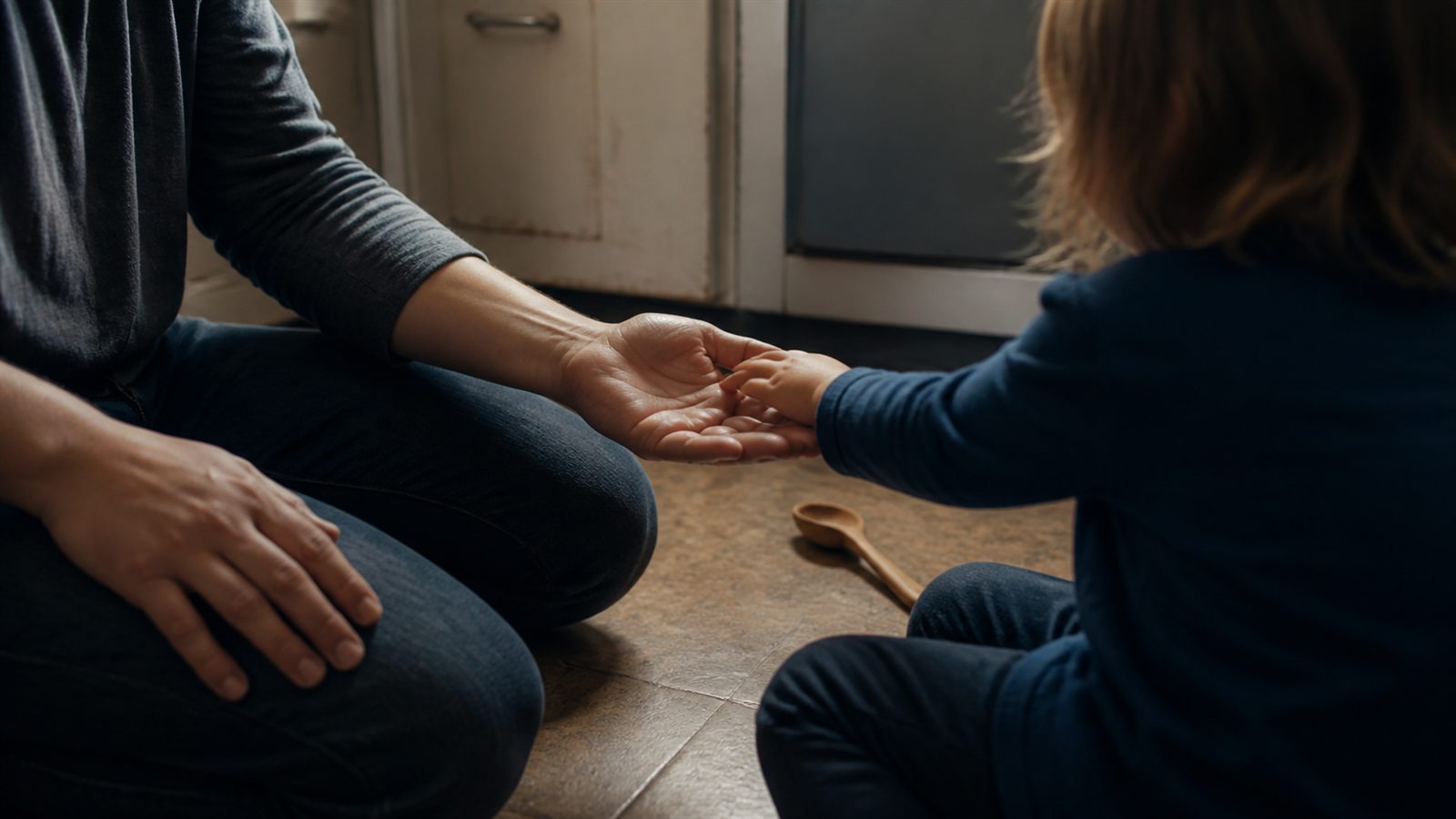
Parenting without passing on the hurt
You recognize the old phrase while it is still leaving your mouth. Interrupting a pattern means taking responsibility, understanding what your child can manage, and making repair visible in what happens next.

When your child leaves home
You helped prepare this independence, and still the quiet house can hurt. Virtology asks what changes with a child's departure, and how your own life can gain room without making the bond smaller.

Why family boundaries can feel so different
You can negotiate a deadline at work and still explain a small refusal for four minutes at the family table. The skill may already exist; the meaning and consequences of using it can change with the relationship.

The family place you did not choose
The family remembers everyone's stories, but yours rarely takes center stage. Virtology's image of the chairs asks how a place is assigned, what a child learns there, and what an adult can begin to change.

Making peace with your history
Some pain comes from what happened. Some comes from what you never had the chance to learn or receive. Virtology invites you to distinguish the two, and begin building a present with more room to live.

Gratitude is not toxic positivity
“Be grateful” has become an order, and sometimes it lands like a slap in the face of someone who is hurting. Real gratitude does not deny pain. It makes room for it.

Pride is not what you think
We hear “pride” and think of arrogance. But the pride that gets in the way can be quiet — and, in Virtology’s account, it can hide even inside apparent humility.
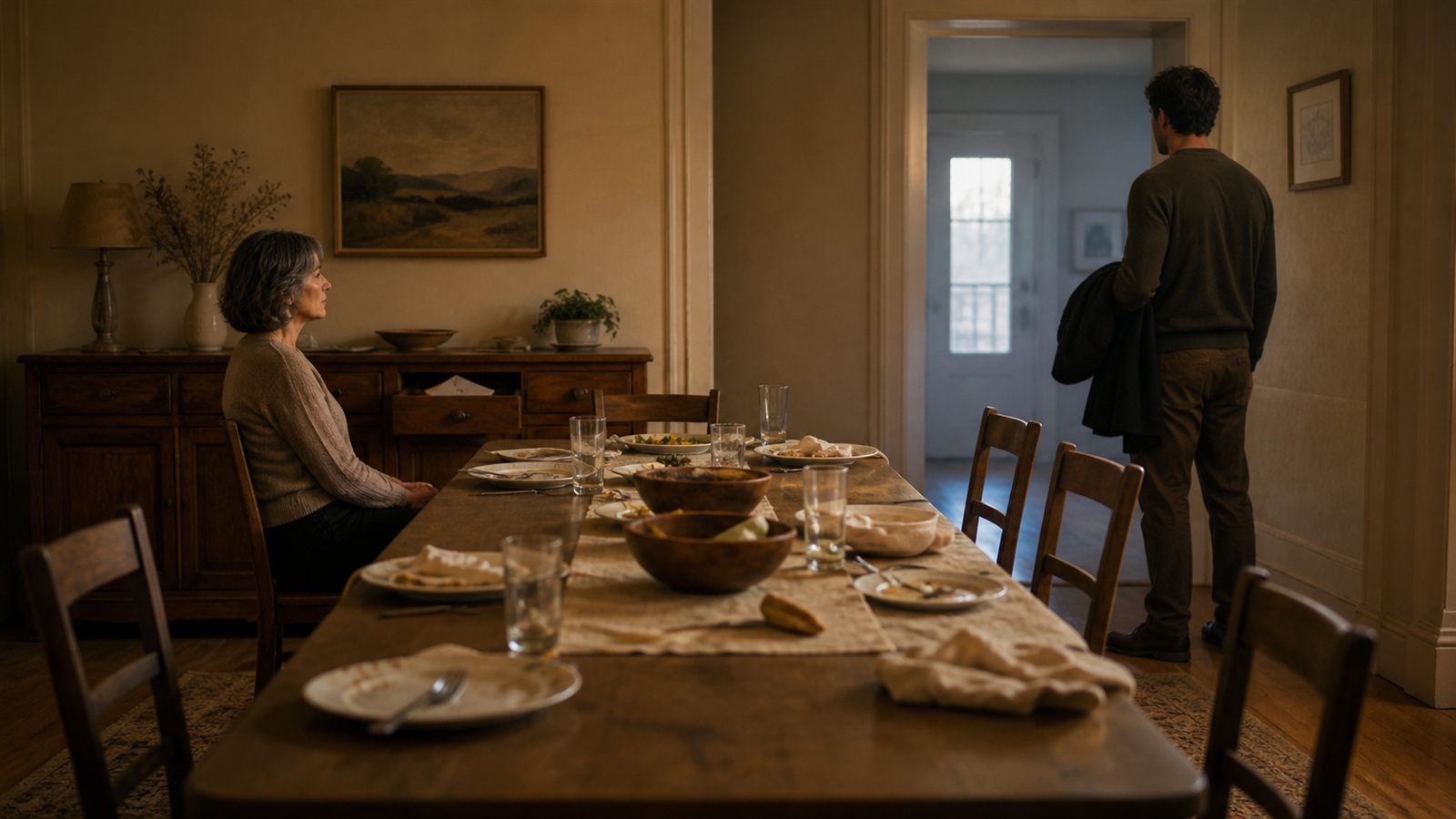
The conversation nobody wants to have
We organize retirement, insurance and bank passwords. But we do not talk about the end. Sometimes that unfinished conversation returns in the middle of the night, disguised as something else.

You cannot want what you have never seen
When someone does not know what they want from life, the usual explanation is fear or self-sabotage. Virtology offers another possibility — and it changes what we might do next.

Bipolar: what Virtology can — and can't — do
It can't cure it, and it never replaces your treatment. But there's a real human layer around the illness where it can genuinely help.

Depression is rarely just one thing
Not a character flaw. Not a choice. Often two layers at once — and understanding both changes what actually helps.

The comparison trap (and what envy is really telling you)
You scroll, you measure, you come up short — and you feel that small hot pang again. Virtology says it isn't a character flaw. It's information.

The six fears quietly running your life
Most of the choices you think are "just being careful" are quietly shaped by fear. Virtology says fear isn't your enemy — it's a compass.

Why grief doesn't "pass with time"
Everyone tells you time will heal it. Then months pass, and the ache is still there. It's not that you're doing grief wrong.
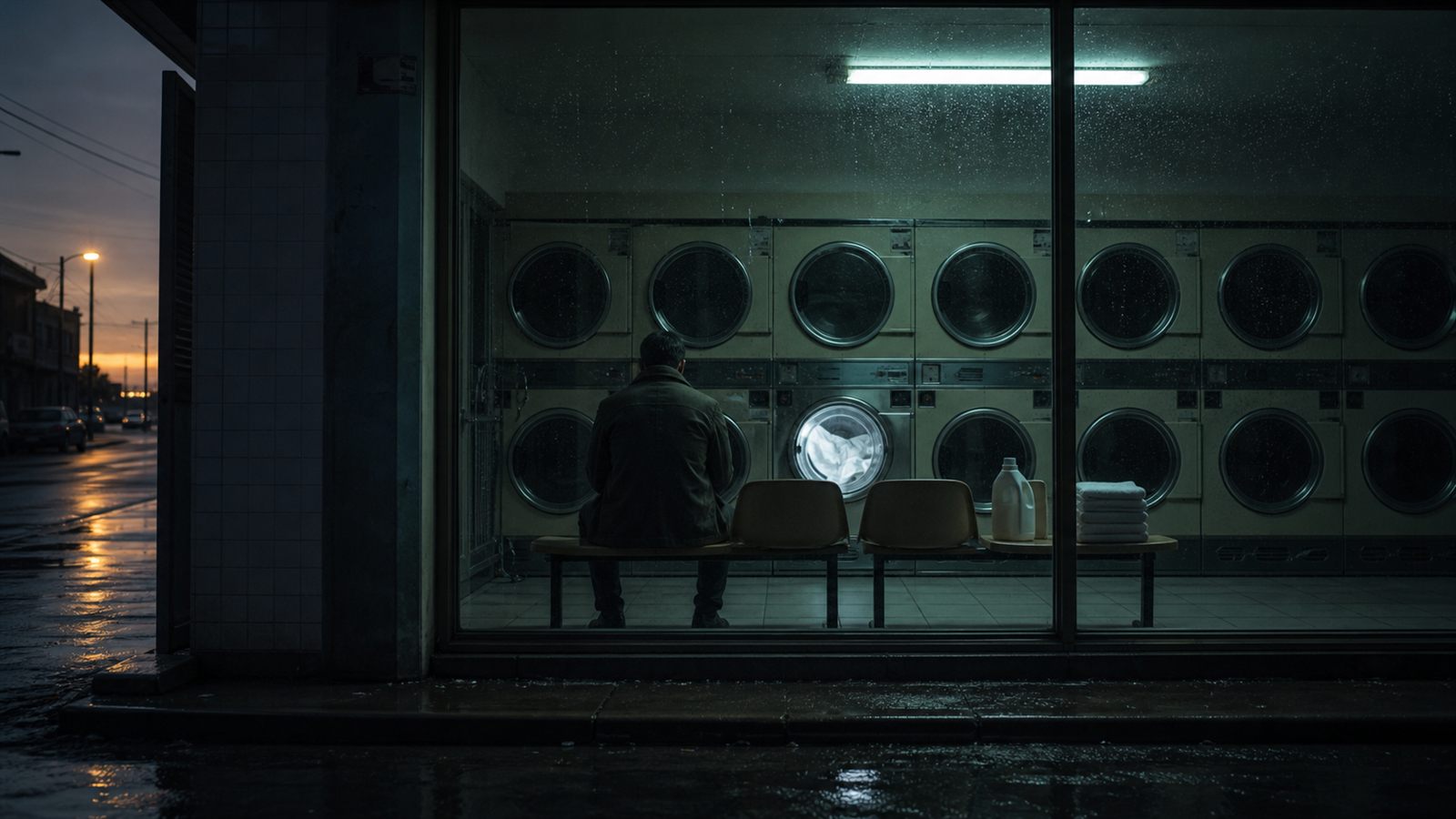
Why guilt won't let go
You feel it almost every day — often for things that aren't even your fault. And no matter how much you carry it, the feeling never seems to pay itself off.

Why "managing" your anxiety keeps it coming back
You calm the surge, again and again — and it always returns, often bigger. There's a reason, and it isn't that you're doing it wrong.
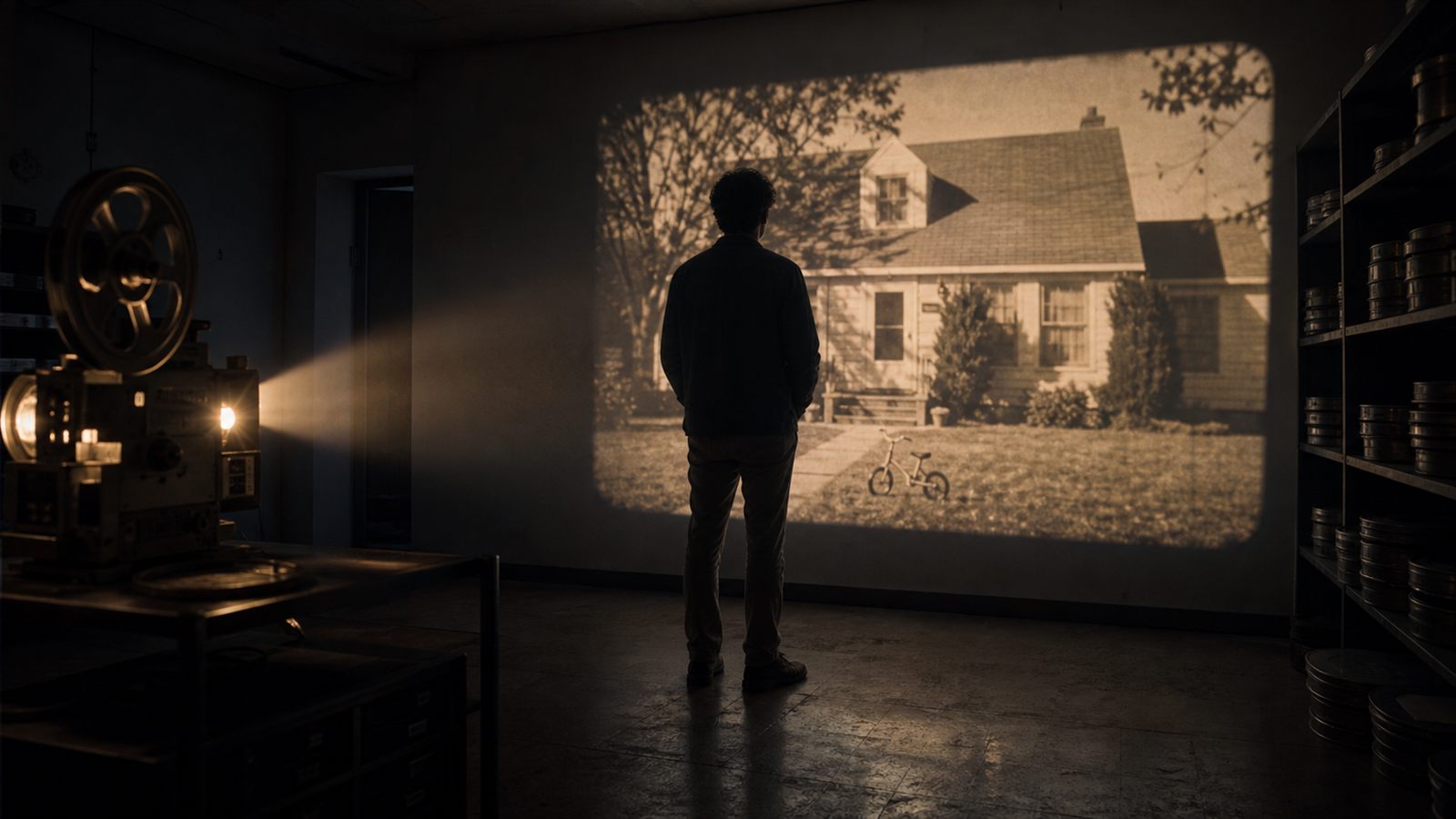
Why revisiting trauma rarely heals it
The old memory keeps firing, so the instinct is to go back and relive it until it loosens. Virtology says the way through usually runs the other direction.

Why you cling — or pull away — in love
One of you needs constant reassurance; the other needs space the moment things get close. Neither is a character flaw. Both are old answers to the same question.

Why you keep putting it off (and why it isn't laziness)
The task is simple. You even want it done. And still you don't start. Virtology says the problem was never your willpower.

Why you never feel like enough
You got the job, the house, the relationship you were sure would do it. And still, quietly, something stays empty. It isn't ingratitude — and it isn't your fault.
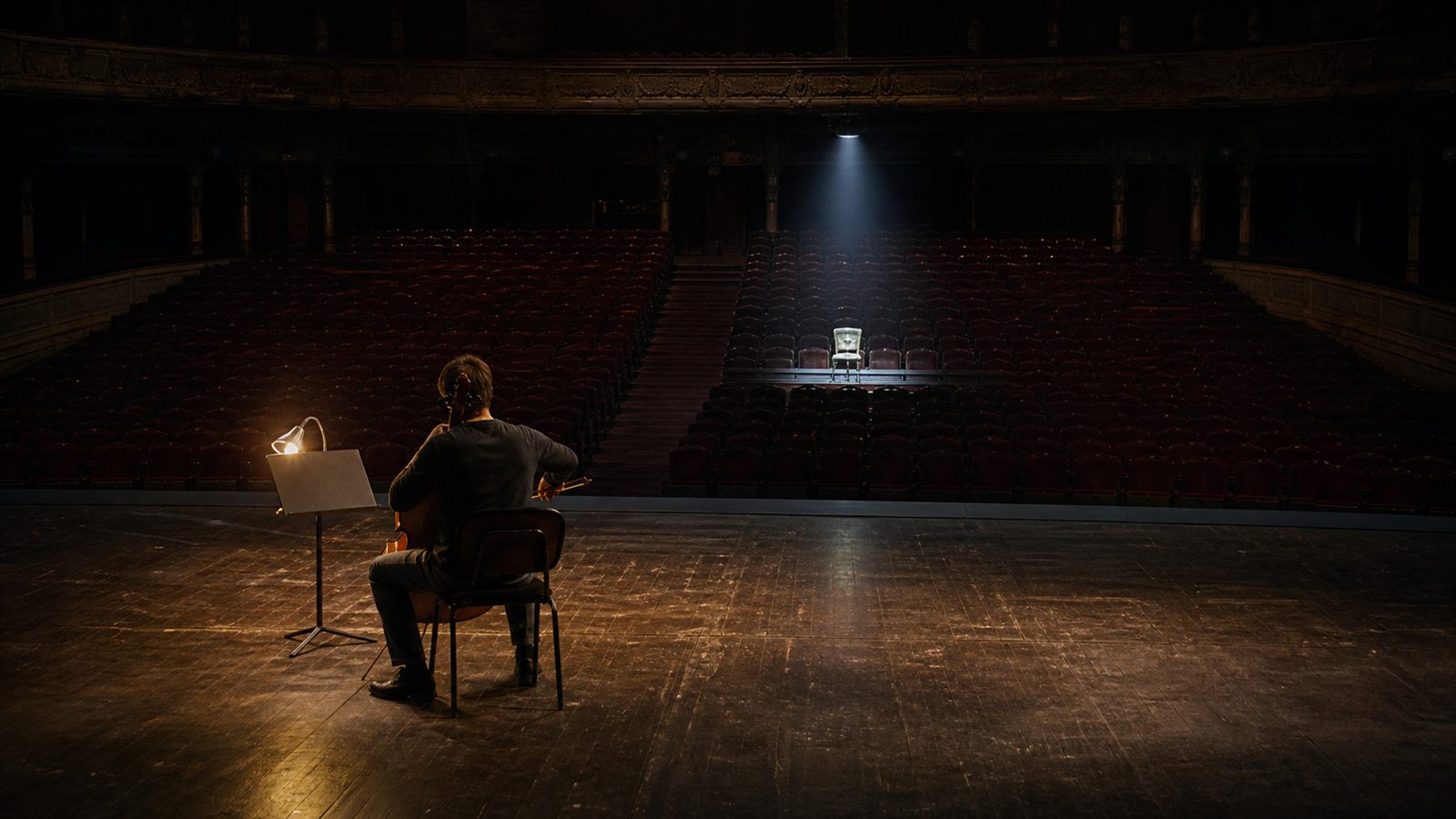
Why you're so hard on yourself (and why it isn't humility)
That relentless inner voice feels like high standards. Virtology says it's usually something else entirely.
No articles match your search. Try another word or category.
The 12 Steps.
One idea builds on the next.
Twelve short reads introducing Virtology, from the gap between insight and change to the practice of developing virtues. Follow the sequence or return to any step.
Insight isn't change
Why understanding rarely becomes change.
What neuroplasticity really is
No mysticism — the actual mechanism.
Pride, the root under the pattern
The root that keeps the pattern alive.
Needs, not willpower
Why forcing it fails — what really drives it.
Meeting yourself where you are
Your honest starting line.
Character and armor
What's built, and what's defense.
The 33 virtues
Your toolkit — competences, not commandments.
Why weeks, not years
Change comes in cycles — the biology of why.
Mapping yourself first
Same symptom, different roots.
Building a virtue
Small, specific, repeated.
Feeling it click
The retroactive marker.
Where to go deeper
Your next doors.